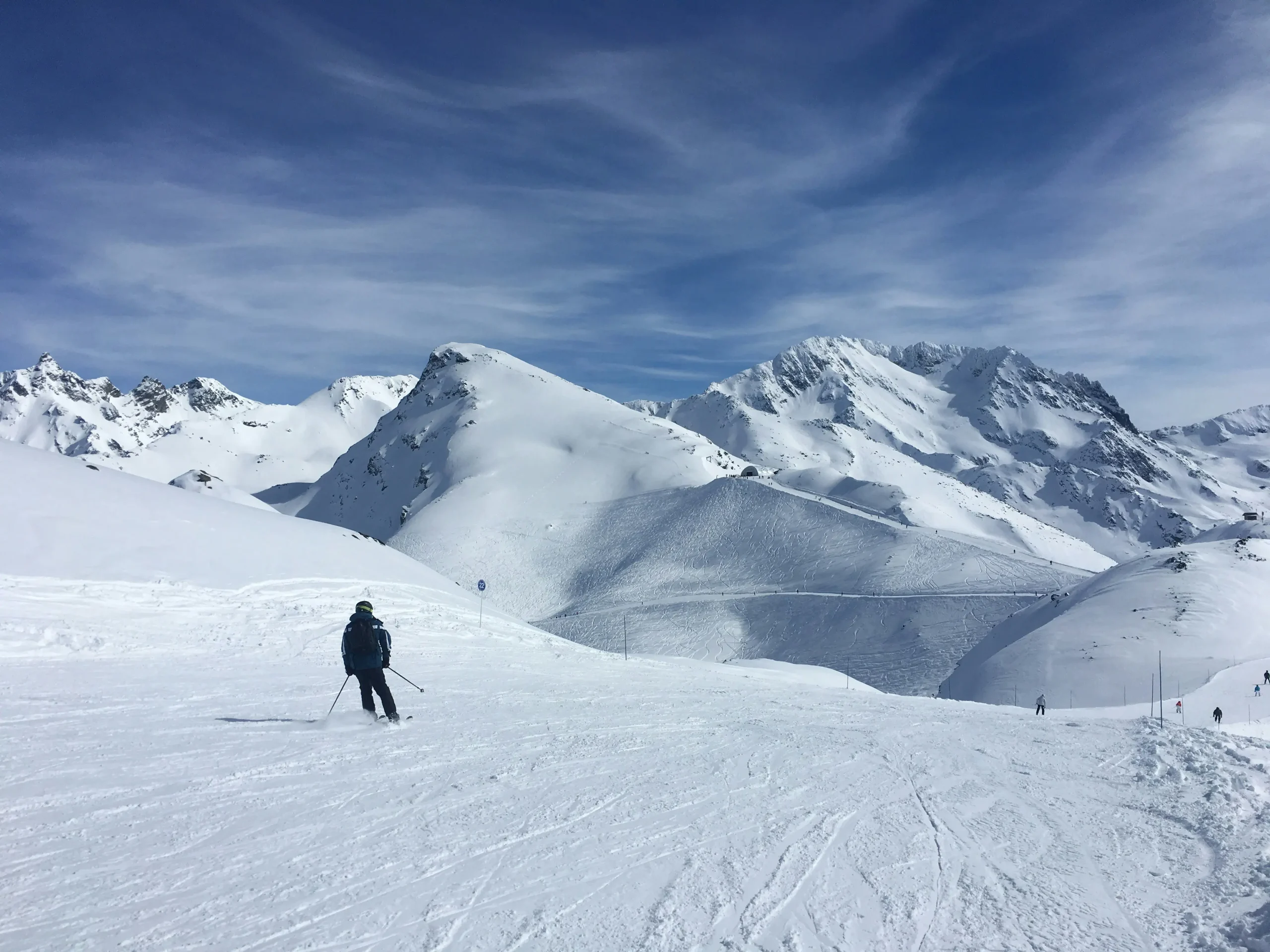
Val d’Isère is one of the most renowned ski resorts in the French Alps, attracting skiers from around the world with its extensive slopes, charming alpine village, and reliable snow conditions. Planning a ski trip at catered chalet val d isere here involves more than just booking flights and accommodation. Choosing the right time of year can dramatically affect your experience, from the quality of the snow to how busy the slopes and village feel. In this post, we will explore the best months to visit Val d’Isère and help you decide which season suits your skiing style, budget, and priorities.
Early Season: Late November to Mid-December
Early season skiing offers a unique experience for those who prefer quieter slopes. This is the time when the resort is just opening for the winter, and although some lower-altitude runs may not yet be fully covered with snow, the higher slopes are usually ready for skiing. Snow-making machines help ensure the main runs are in good condition, and there is often fresh powder to be found on the less-travelled trails.
Crowd levels are very low during this period. Lift queues are minimal, and you can enjoy a peaceful atmosphere in both the village and on the slopes. Accommodation is often cheaper than during the busy peak season, making this period a good option for budget-conscious travellers. However, it is important to monitor weather and snow reports, as conditions can be variable, and some runs may be limited.
Festive Season: Christmas to New Year
The festive season in Val d’Isère is magical. Twinkling lights, Christmas markets, and a lively atmosphere make the village feel like a winter wonderland. Snow conditions are generally excellent, with most lifts and runs open and natural snowfall more reliable than earlier in the season.
Crowds are very high during this period. Expect long lift queues, bustling slopes, and higher prices for accommodation and ski lessons. Despite the crowds, many skiers find the festive atmosphere makes the experience unforgettable. Planning ahead and booking well in advance is essential, and skiing early in the morning or later in the afternoon can help avoid the busiest periods on the slopes.
Mid-Season: January to February
January and February are considered the heart of the ski season in Val d’Isère. This period typically offers the most consistent snow coverage, particularly on the higher-altitude runs in the Espace Killy ski area. Powder days are more common during this time, and the cold temperatures help maintain excellent snow quality.
Crowd levels vary during these months. Early January, immediately after the New Year rush, can be quieter, while February often sees higher numbers due to school holidays across Europe. For those looking to make the most of mid-season skiing, midweek visits are recommended to avoid weekend congestion. This is also an ideal time for skiers looking to challenge themselves on more difficult runs, as most slopes are fully open and in excellent condition.
Spring Skiing: March to Early April
Spring brings a very different kind of experience to Val d’Isère. The days are longer, the sun is warmer, and the mood in the village is more relaxed. Snow conditions remain good on high-altitude runs, although lower slopes can become slushy in the afternoon as temperatures rise. Morning skiing is usually the best option during this period, when snow is firmer and more enjoyable.
Crowd levels are lower, making it easier to explore the mountain without long waits at lifts. Prices for accommodation and lessons can also be more reasonable than during peak season. In addition to skiing, spring offers the opportunity to enjoy other outdoor activities in the area, such as snowshoeing, winter hiking, and exploring the picturesque village streets in pleasant weather.
Late Season: Mid-April
Late-season skiing can be a real treat for experienced skiers who are comfortable with variable conditions. Some lower slopes may close as temperatures rise, but glacial skiing areas remain open and can provide excellent conditions.
Crowd levels are very low, which means you can enjoy a peaceful skiing experience and plenty of space on the slopes. Accommodation is typically cheaper, and the longer daylight hours allow for extended skiing sessions and more relaxed afternoons exploring the village. Late-season visitors should be prepared for changing snow conditions and check in advance which lifts and runs are open.
Choosing the Best Time for You
The best time to ski in Val d’Isère depends on your priorities. If you want perfect snow and don’t mind crowds, mid-January to February is ideal. If you prefer quieter slopes and a more relaxed atmosphere, early December or spring may be a better fit. For a magical winter experience with festive charm, the period from Christmas to New Year is unbeatable.
Final Thoughts
No matter when you go, Val d’Isère offers world-class skiing, stunning alpine scenery, and a wide range of activities both on and off the slopes. From challenging runs to beginner-friendly trails, luxurious chalets to cozy lodges, and vibrant village life to peaceful mornings on the slopes, the resort has something to offer every skier. With careful planning and an understanding of seasonal differences, you can choose the perfect time to visit and enjoy an unforgettable ski adventure.